
You might be out of rehab, but it’s no time to stop. Most therapists recommend reevaluating and re-seeking out help following any major life event. This means talking things over with your counselor, continuing to go to therapy, and investing heavily in your group support options. One way to prove you don’t drink alcohol in custody cases is with consistently negative results from a reliable alcohol monitoring system like Soberlink. More helpful ways can include testimony from credible witnesses and the absence of alcohol-related incidents in documentation, which provide compelling evidence in custody cases.
Newly sober wife wants a divorce
I ate when I had to, sometimes drinking until 11 or 12 at divorce rates after sobriety night. My husband would hang in there for a few hours but would opt to give his lungs and liver a break and go inside to watch TV on the couch – like a normal person. We gladly paid upwards of $100 USD per person for 4-5 hours of unlimited drinks and buffets. There are people who do this every weekend, sometimes more. They offer absurdly named “Night Brunches” for those who want to keep the party going. Because all addictive illnesses are progressive, the only path for the addict and his or her spouse is a downward spiral—if they don’t get help.
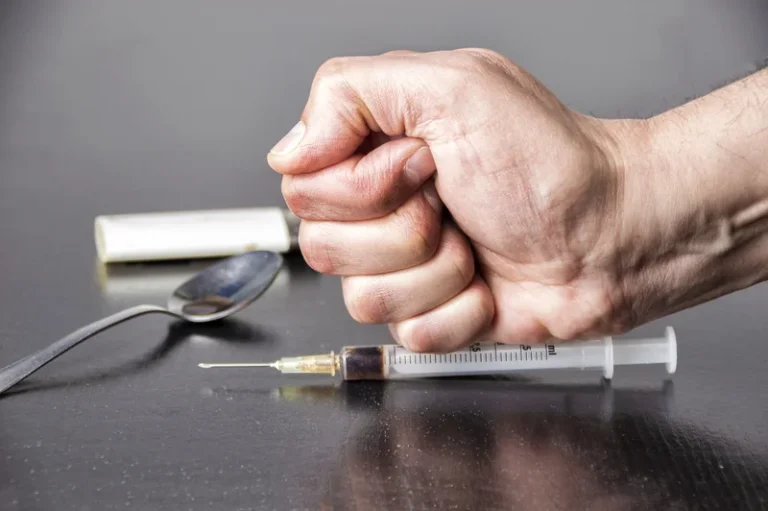
As my sobriety soared, my marriage crumbled.
This documentation creates a trustworthy narrative of a parent’s behavior over time, which can be instrumental in legal proceedings. Soberlink is particularly effective because it not only records individual instances of testing but also documents long-term patterns of sobriety. This continuous monitoring can be critical in custody disputes, where demonstrating a sustained commitment to sobriety can influence the court’s decision regarding parenting time and custody arrangements. Soberlink is never used for unscheduled or random testing. By doing so, both parties can reach a settlement that is in the best interest of the children. It has the added benefit of the case being resolved more quickly and efficiently, saving both parties time and money.
Divorce And Addiction: How To Get Help
- Soberlink’s system features advanced technology that includes facial recognition to confirm the identity of the person being tested, ensuring that the results are indeed from the correct individual.
- My default setting to want more, or the next thing, didn’t disappear; I just redirected my energy to crave more of what served me and less of what no longer added value to my life.
- Living with someone who has substance use disorder can be difficult, and also create changes in your relationship.
- Codependency is another problem often seen in marriages affected by addiction.
- Testimony from the opposing party alone can exaggerate the frequency of the alcohol abuse or be motivated by hostility.
- Divorcing an alcoholic can be challenging for various reasons.
My husband and I had never spent more than a couple of weeks physically together before he moved halfway across the world to be with and marry, me. Sometimes I feel like I’ve failed, like I wasn’t patient enough. But there are times when in sickness and in health is not a vow worth keeping, especially if it means losing your humanity. I had to put my health, my happiness, and my daughter first.
- The primary objective is to ensure a secure and protected environment for the children in the months and years following the divorce’s finalization.
- I perceived him as an accomplished executive with a relational leadership style appreciated by his colleagues.
- If you continue to lie to or mislead your spouse, trust can never be regained.
- If a couple is staying together, the sober individual staying active within the addicted partner’s recovery will help both to nurture a drug-free life.
Filing for Divorce Based on Substance Abuse
Family Therapy – Feel free to ask your spouse to attend family therapy with you. Just because you’re divorcing doesn’t mean you can’t work out your relationship and part on amicable grounds. Most of us would think that going to rehab means saving your marriage. Stepping away from substance use, going to therapy, and coming back a changed person can all result in ending the relationship, even if your partner profoundly wanted you to go to recovery. When you focus on marriage and sobriety, you can often become bogged down. If you become codependent on your spouse, it’s important to seek help from a therapist or counselor who can help you learn how to set boundaries and take care of yourself.
Journaling can help you process your emotions without hurting your spouse or causing an unnecessary argument. After addiction, broken trust is likely to be the biggest obstacle to overcome in your marriage. For the recovering addict, this means absolute honesty is essential. If you continue to lie to or mislead your spouse, trust can never be regained. The recovering addict must also be patient as his or her spouse works to rebuild trust.
- A second study found that when one partner drank quite a bit more than the other, the rate of divorce was 50 percent.
- Soon after Olivia first took this step — and just two months before Malcolm was born — she and John decided to enter a relationship with one another and raise their son as a couple.
- Some issues—such as financial difficulties, emotional manipulation, and personality changes—can push relationships past the point of return.
- In striving to mend the relationship, each partner will likely need to overcome these negative behaviors.

He has served as a Consultant & Licensure Specialist to numerous facilities and has served as a Drug Court Panel member. Courts have a number of options to protect children from a parent’s substance abuse issues during visitation periods. The judge may order that there be no overnight visitation. The court could also require a professional to supervise all visitation periods. Courts often require that addicted parents submit to periodic drug and alcohol screens, attend Alcoholics Anonymous or Narcotics Anonymous meetings, or receive addiction treatment. Custody orders almost always require parents to abstain from use of alcohol or controlled substances before and during visitation.
Drinking Was Hard On My Marriage. So Was Recovery.
It may take time to rebuild trust after dealing with alcoholism in a marriage, so it’s essential not to put pressure on each other and take it one day at a time. Family court judges are governed by the child’s best interests when considering legal and physical custody of a child. Judges want to ensure children are looked after and live in a healthy and safe environment. The best way to move forward when divorcing an alcoholic is to work with a lawyer who understands your situation and what you’re experiencing. Alcohol is a serious and traumatic problem for couples and families.

Divorce Can Be A Risk Factor For Substance Use
It can result from car accidents and reckless driving. It can also result from sudden changes in finances, in someone’s behavior, or in lifestyle expectations. In some cases, a divorce can stem from serious mental health problems on the part of your spouse. Instead, it’s best to treat the marriage as a new relationship. Get to know the “new” version of your spouse (or help your spouse become acquainted with the “new” you). Patiently work on rebuilding communication, trust, support, respect, and intimacy.